
The Ultimate 5 Minutes Warm-Up to Boost Your Running Performance and Prevent Injuries
Warm-ups are often underestimated, with many runners and fitness enthusiasts skipping them entirely. Whether you’re running, weightlifting, or doing CrossFit workouts, neglecting a proper warm-up can lead to injuries and underperformance over time. These setbacks can sometimes force you to take breaks for days, weeks, or even months.
The good news? A short, targeted warm-up can save you from setbacks, enhance your running performance, and ensure your muscles, joints, and nervous system are ready for action.
We’ve compiled the essential warm-up exercises you need before a long run, complete with step-by-step instructions and visual cues. This quick routine takes just 5–10 minutes but can make a dramatic difference in your training.
Why Dynamic Warm-Ups Are Essential
Many runners default to static stretches before a run. While static stretching has its place, it’s not ideal for warming up for a long run. Here’s why:
Static holds can relax muscles too much, reducing their immediate power output.
Dynamic movements mimic your activity, preparing your muscles, joints, and nervous system for actual running mechanics.
Pulsing stretches improve blood flow, increase flexibility, and reduce the risk of injury.
How to perform pulsing stretches:
Hold each stretch for 2–3 seconds.
Release and repeat 5–6 times.
Perform controlled, rhythmic movements rather than holding positions for too long.
This approach ensures your muscles are warm, responsive, and primed for maximum performance.
3 Key Stretches to Release Tension in Your Legs
1. Standing Quad Stretch
Muscles targeted: Quadriceps (front of thigh)
How to do it:
Stand on one leg.
Raise the opposite foot behind you and hold it with your hand.
Gently pull your foot toward your glutes, feeling a stretch along the front of your thigh.
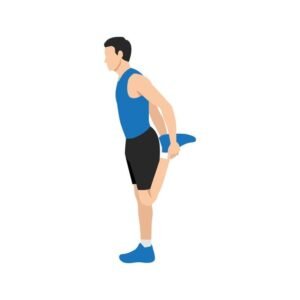
Tip: Quadriceps are one of the largest muscles in your body, and releasing tension here improves knee stability and stride efficiency. Repeat on the other leg.
2. Standing Forward Bend
Muscles targeted: Hamstrings (back of thigh) and spinal muscles
How to do it:
Stand with your feet together and legs straight.
Bend forward from the hips, keeping your back straight.
Aim to bring your chest toward your thighs.
If you cannot reach that far, place your hands on your knees or shins and bend as much as comfortable.
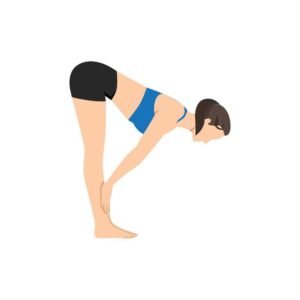
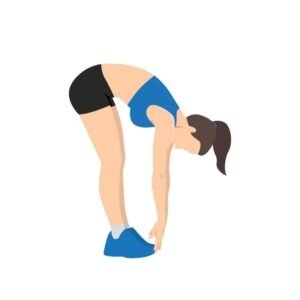
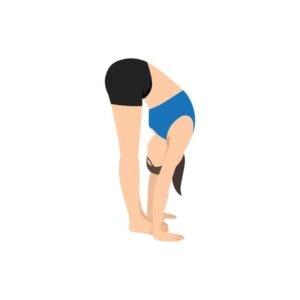
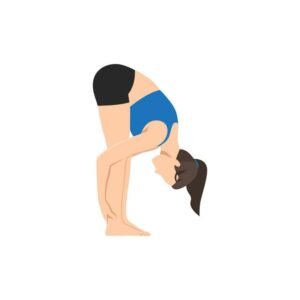
Tip: This stretch not only targets hamstrings but also helps release tension along your spine, improving posture and running form.
3. Calf Stretch Against a Wall
Muscles targeted: Calves
How to do it:
Stand roughly 1 foot away from a wall.
Place the ball of one foot on the wall while keeping your heel on the ground.
Lean your hips forward until you feel a strong stretch in your calf.

Tip: Flexible, strong calves are essential for smooth running strides and injury prevention. Repeat on the other leg.
3 Dynamic Movements to Mimic Running
After loosening your muscles with the previous stretches, move on to dynamic exercises that replicate the motion of running. These exercises activate muscles in the same way running will, enhancing coordination and strength.
1. Hamstring Scoops
Muscles targeted: Hamstrings
How to do it:
Stand tall and extend one leg forward with heel on the ground and toes pointing up.
Bend slightly at the hips, keeping your back straight.
Reach both hands toward your toes in a scooping motion.
Alternate legs as you walk forward.
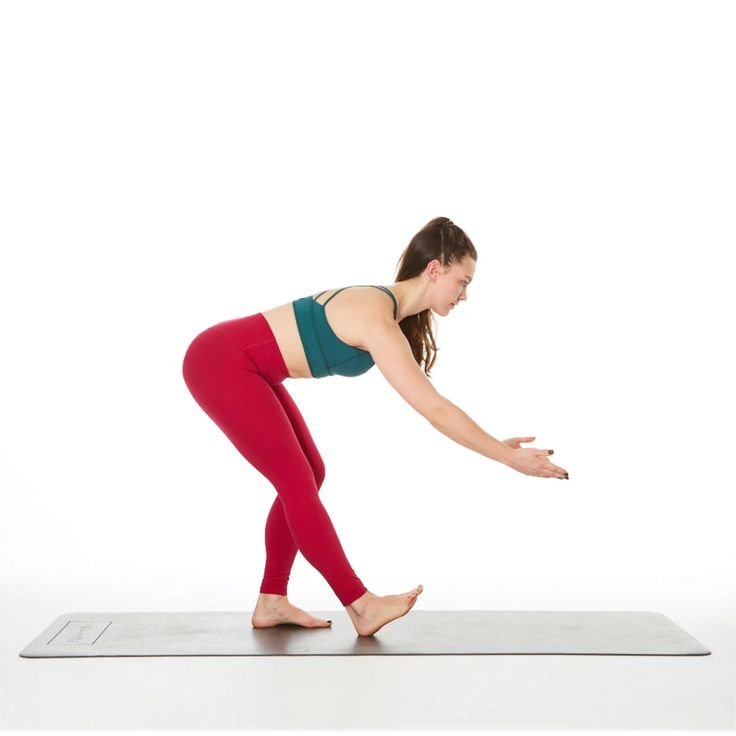
Tip: Hamstring scoops gently stretch and activate the hamstrings, preparing them for the repeated contractions of running.
2. Leg Swings
Muscles targeted: Hip flexors, hamstrings, quads
How to do it:
Stand near a wall or stable object for support.
Swing one leg forward and backward while keeping it straight.
Move as far as comfortably possible in both directions.
Repeat with the other leg.
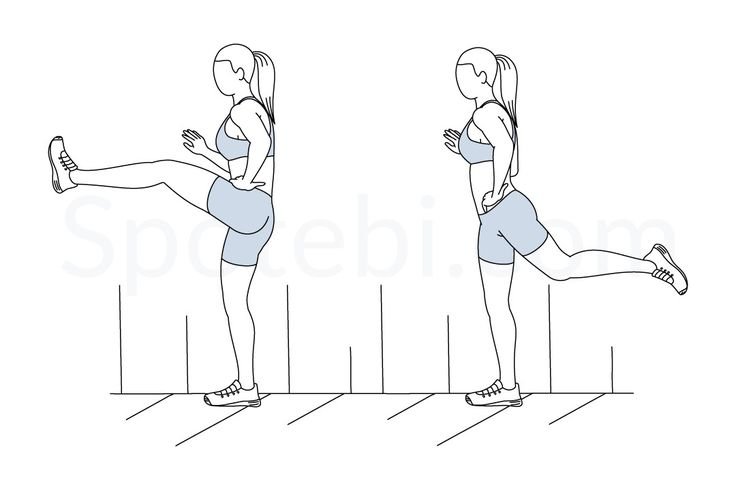
Tip: Leg swings improve hip mobility and activate the muscles that will stabilize your legs during each stride.
3. Calf Raises
Muscles targeted: Calves
How to do it:
Stand on an elevated surface with the balls of your feet on the edge and heels hanging off.
Hold a wall for balance.
Lower your heels to feel a stretch, then push through your calves to raise your heels upward.
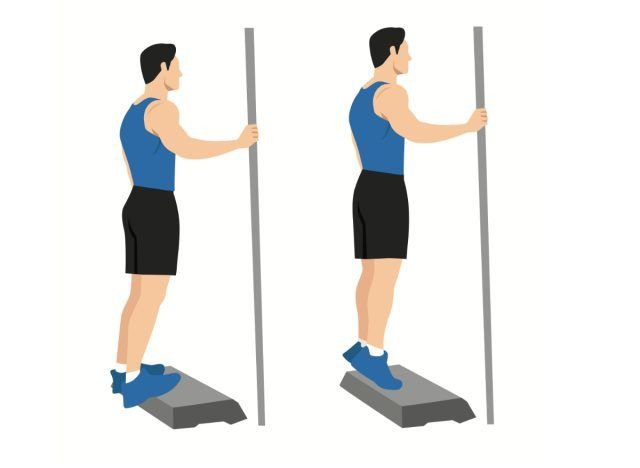
Tip: Calf raises strengthen and activate the calves, which play a crucial role in propulsion and shock absorption during running.
Putting It All Together
This 5–10 minute warm-up is short, simple, and highly effective. By combining static pulsed stretches with dynamic movements, you:
Reduce injury risk
Increase flexibility and muscle activation
Prepare your joints and nervous system for the run
Boost overall performance and endurance
Pro Tip: Consistency is key. Make this warm-up a non-negotiable part of every run. Over time, your stride, speed, and endurance will improve noticeably.
Whether you’re a beginner runner or training for a marathon, taking just 10 minutes to prepare your body properly can make the difference between a mediocre run and a powerful, injury-free session.
- Here’s a detailed Beginner’s Guide on Running your First 10km: https://stoicmusclefit.com/can-i-sign-up-for-a-10-kilometer-run-without-any-practise/